about

Branca Clara das Neves (Luena, 1956) was born in Moxico, a province of Angola bordering the Democratic Republic of Congo and the Republic of Zambia. Moxico was the stage for bloody battles during both the war for liberation from Portuguese colonialism and the subsequent civil war. Branca also lived in Luanda, where she began her professional life as a primary school teacher at the São Paulo Mission School in 1974-75. Her exile in Portugal began during the first civil war, which devastated Moxico and other provinces of Angola.

The 1992 democratic elections reignited her deep hope of returning to Angola, but this hope was abruptly shattered by the second civil war. Branca graduated in Primary Teaching in Luanda and later earned degrees in Economics and African Studies in Lisbon. Over the years, she worked as a teacher, auditor, consultant, and project manager in Lisbon, Luanda, Bissau, São Tomé, Maputo, and Praia.

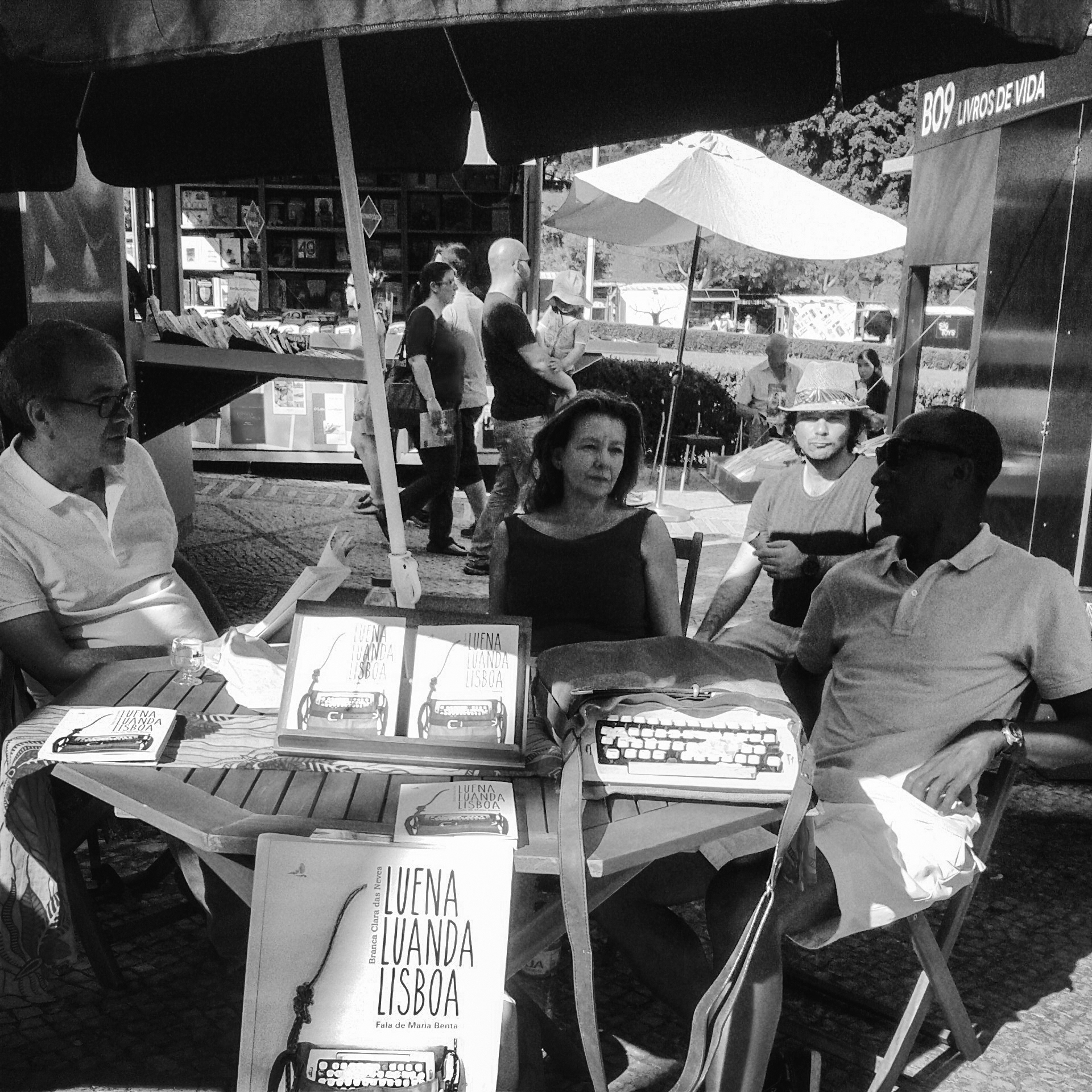
Her literary work is featured in several anthologies and two fiction books: Luena, Luanda, Lisboa. Fala de Maria Benta (2024, ed. Elivulu; 2014, ed. Colibri) and Estamos Aqui Twina Vava Nous Voici (2020, ed. Guerra & Paz).

In collaboration with visual artist Neusa Trovoada, narrators Aoani Salvaterra and Maria José Carmo Ferreira, and musician Mick Trovoada, she co-created the audiobook Estamos Aqui (2024, Thisissessions Studio, Theo Pascal).

Together with filmmaker Kiluanje Liberdade, Branca co-wrote the script for Quase Super-homem, a documentary project exploring the mysteries of propaganda in Angola from 1957 to 2008. Rather than focusing solely on historical events, the documentary delves into how propaganda became deeply entrenched in both Angolan and Portuguese societies.

“In her first book, Luena, Luanda, Lisboa. Fala de Maria Benta, the narrative spans a colonial past and a contemporary life in Lisbon, with brief stays in Luanda. The story interweaves themes of exile, war, racism, diaspora family dramas, domestic violence, and the challenges of daily life in Luanda. These elements are explored through the experiences of the main character, Maria Benta, and the young people she mentors. The narrative moves between her ancestral roots in Lwena and the 1980s.

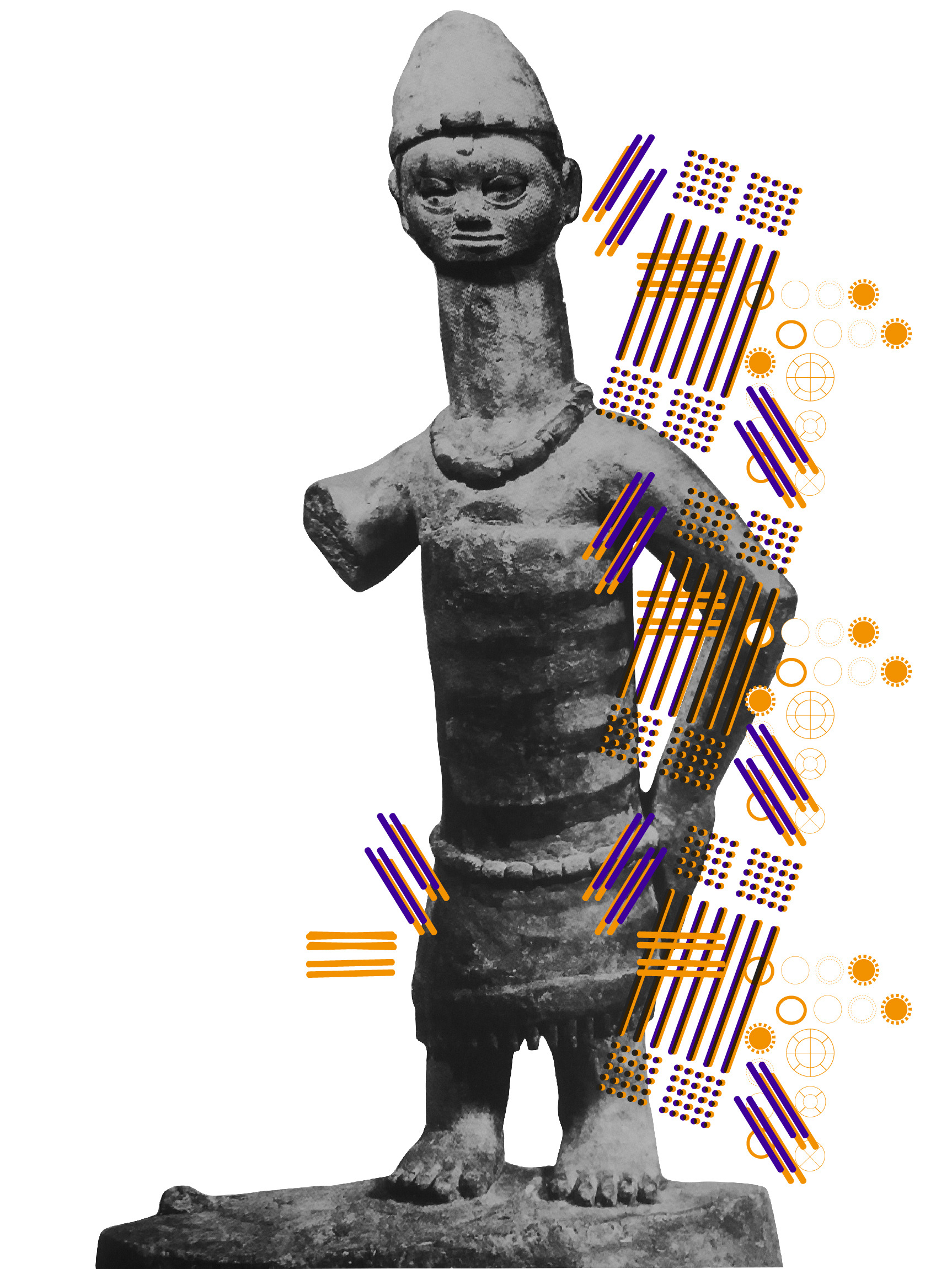
Her second book, Estamos Aqui Twina Vava Nous Voici, written in Portuguese, Kikongo, and French, pays tribute to the Mintadi sculptures of the ancient stone art from the Lower Congo and the Kongo cosmogony. The story follows a young girl visiting a museum, where she discovers an enchanting atmosphere of connection and liberation, opening her to a new way of being.

The combination of text and illustrations by Neusa Trovoada, alongside the voices of the narrator, sculptor, and spiritual master, creates a rich tapestry blending popular and scholarly tones, enhancing the symbolic depth of the book. (*)

Current and Upcoming Work Branca is working on a bold and celebratory novel set in 1975, commemorating the 50th anniversaries of the independence of Angola, Mozambique, São Tomé, Cape Verde and the 52th anniversary of the independence of Guiné- Bissau. However, she has yet to find a publisher in Portugal willing to bring this work to the public.

(*) Alice Girotto, Il Tolomeo, vol 24, Dec 2022, Università Ca’ Foscari, Venezia. Translation: Rosa Tyszkiewicz, Luana Cunha Ferreira.

about

Branca Clara das Neves (Luena, 1956) was born in Moxico, a province of Angola bordering the Democratic Republic of Congo and the Republic of Zambia. Moxico was the stage for bloody battles during both the war for liberation from Portuguese colonialism and the subsequent civil war. Branca also lived in Luanda, where she began her professional life as a primary school teacher at the São Paulo Mission School in 1974-75. Her exile in Portugal began during the first civil war, which devastated Moxico and other provinces of Angola.

The 1992 democratic elections reignited her deep hope of returning to Angola, but this hope was abruptly shattered by the second civil war. Branca graduated in Primary Teaching in Luanda and later earned degrees in Economics and African Studies in Lisbon. Over the years, she worked as a teacher, auditor, consultant, and project manager in Lisbon, Luanda, Bissau, São Tomé, Maputo, and Praia.

Her literary work is featured in several anthologies and two fiction books: Luena, Luanda, Lisboa. Fala de Maria Benta (2024, ed. Elivulu; 2014, ed. Colibri) and Estamos Aqui Twina Vava Nous Voici (2020, ed. Guerra & Paz).

In collaboration with visual artist Neusa Trovoada, narrators Aoani Salvaterra and Maria José Carmo Ferreira, and musician Mick Trovoada, she co-created the audiobook Estamos Aqui (2024, Thisissessions Studio, Theo Pascal).

Together with filmmaker Kiluanje Liberdade, Branca co-wrote the script for Quase Super-homem, a documentary project exploring the mysteries of propaganda in Angola from 1957 to 2008. Rather than focusing solely on historical events, the documentary delves into how propaganda became deeply entrenched in both Angolan and Portuguese societies.

“In her first book, Luena, Luanda, Lisboa. Fala de Maria Benta, the narrative spans a colonial past and a contemporary life in Lisbon, with brief stays in Luanda. The story interweaves themes of exile, war, racism, diaspora family dramas, domestic violence, and the challenges of daily life in Luanda. These elements are explored through the experiences of the main character, Maria Benta, and the young people she mentors. The narrative moves between her ancestral roots in Lwena and the 1980s.

Her second book, Estamos Aqui Twina Vava Nous Voici, written in Portuguese, Kikongo, and French, pays tribute to the Mintadi sculptures of the ancient stone art from the Lower Congo and the Kongo cosmogony. The story follows a young girl visiting a museum, where she discovers an enchanting atmosphere of connection and liberation, opening her to a new way of being.

The combination of text and illustrations by Neusa Trovoada, alongside the voices of the narrator, sculptor, and spiritual master, creates a rich tapestry blending popular and scholarly tones, enhancing the symbolic depth of the book. (*)

Current and Upcoming Work Branca is working on a bold and celebratory novel set in 1975, commemorating the 50th anniversaries of the independence of Angola, Mozambique, São Tomé, Cape Verde and the 52th anniversary of the independence of Guiné- Bissau. However, she has yet to find a publisher in Portugal willing to bring this work to the public.

(*) Alice Girotto, Il Tolomeo, vol 24, Dec 2022, Università Ca’ Foscari, Venezia. Translation: Rosa Tyszkiewicz, Luana Cunha Ferreira.
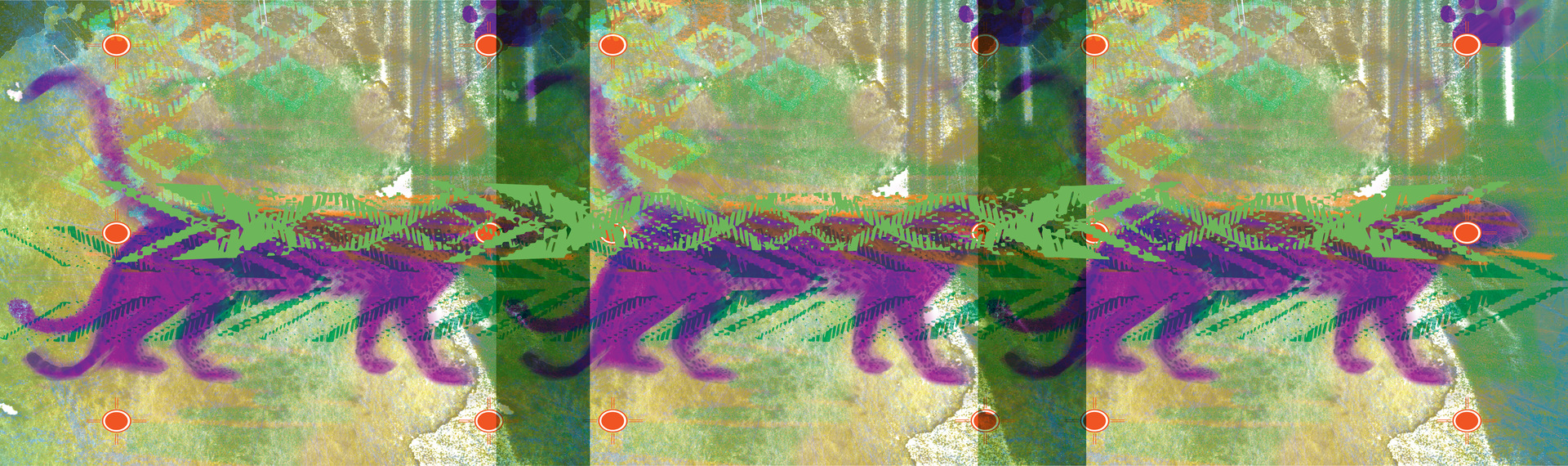
(——— from the Hunter)

He finished the telling of the hunt.
Now, with his people he will wait for the piece of skin, the leopard insignia.

He leaves in the reverse step of a reverent walk, one hand still clutching the weapon reinvested
with prestige and responsibility, the other holding the small bandage on his chest that condenses
 
the power,
the energy,
the waves,
the salts,
the waters,
the oils,
 
the juices and the poisons that the Earth reserves holy for its creatures
always with
always with
always with
always with
.
(——— from the Carrier of Justice)

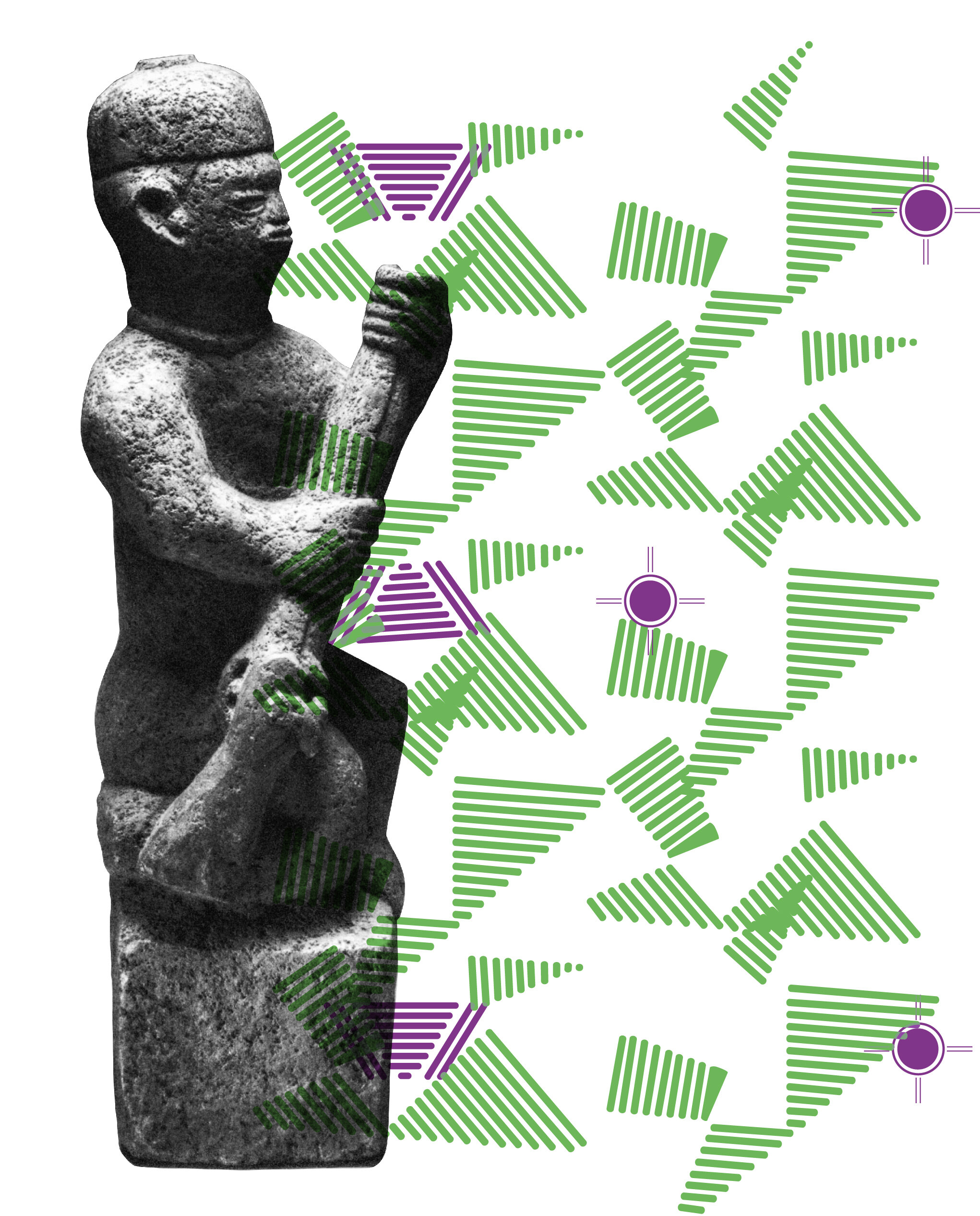
Come here. Listen. Can you feel this other sculpture, the carrier of justice?

Xéee! The sculptor... making the stone speak of the brilliance of that older man.
Xé, he must have been short, but with an eloquent hand and a sharp eye. Great kota!
In a complicit frown I looked at the sculptor-who-is-still-here.
Now we really knew there was no point in talking.
I wanted to hold his hand, but my hand stuck to my knee and wouldn't come off.
The Voice was getting louder now:


If you could see him at the Royal Court… Oh!
Magnanimous bearing. The gesture precise. Rare words. A word here, a word there,
he led.
Asking mysterious questions, posing proverbs.
Waiting for Time to play its part.
He would shut up.
And each time, he would gather the assembly into his silence.
And he would lead again.
Left arm on hip
 
anchoring the negative
The other raised
 
releasing positive powers
Yes.
 
Intermingling Justice, Art and Life,
 
restoring the purity of being
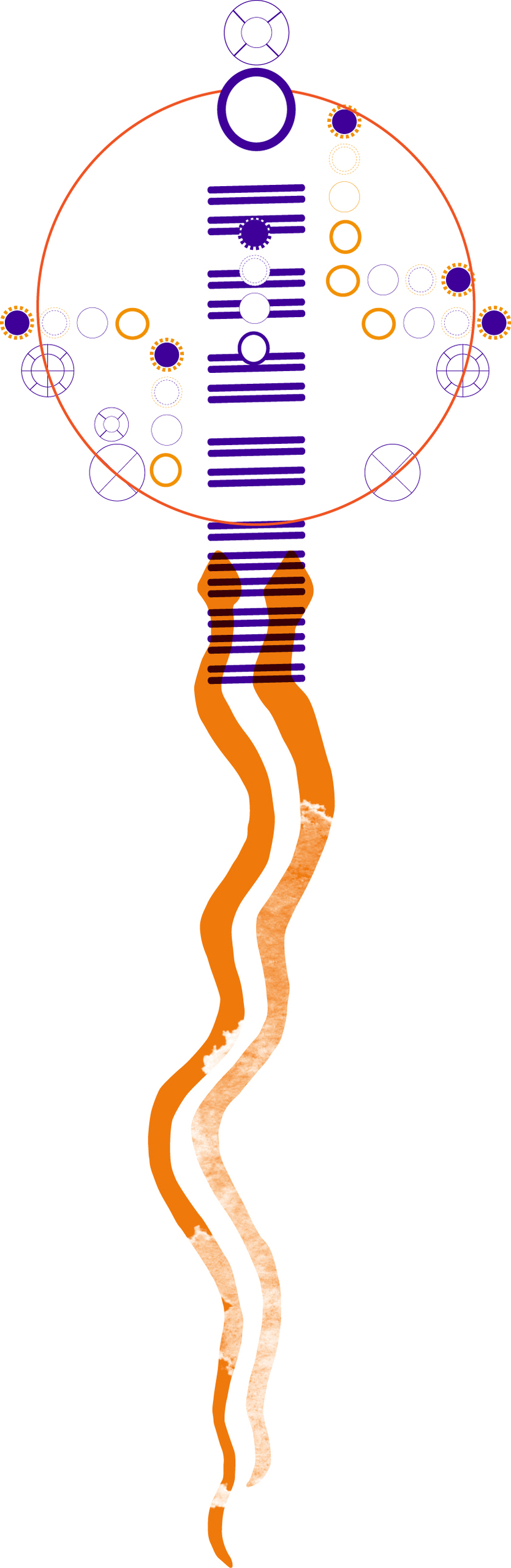
cobrinhas grafismo


táuas!

Do you recognize that embodiment?
It is the gesture inside those who were forced into the bilges and crossed in convulsion the Big
Salted Sea. People. Without.
Ah! To breath-drink the wonderful blue. Ah.

The inner enslaved person’s gesture that touched the ground, and became fruitful, encrypted,
arising in life.
Without name but forever regained. Atlantic. Here.There.
táuas!

The gesture setting the stage at the concert. Around the dance floor. In fightings and struggles.
The gesture blown by the sea, anchored in all grounds, stemming from the veins.
For generations.
Stop! In the name of Love.

The Supremes. Michael Jackson. Prince. Amy. Rapsody.
That woman, the fish dealer of Vila Alice. Others in Kinshasa - Brazzaville - Matongé. The one in
Mouraria.
Now, raise your right hand. Open it. Yes. Your left fist on hip. Yes. Again.
táuas!
 

Q&A